What Is Marketing Automation? A Complete Beginner's Guide
Learn what marketing automation is, how it works, key benefits, and essential features. A comprehensive guide for businesses ready to automate their marketing.
Marketing teams today juggle dozens of tasks every single day. From sending emails and posting on social media to qualifying leads and tracking campaign performance, the workload can feel overwhelming. That is exactly where marketing automation comes in. It takes repetitive, time-consuming tasks off your plate so you can focus on strategy, creativity, and building genuine relationships with your audience.
In this guide, we break down everything you need to know about marketing automation, from the basics to advanced features, so you can decide whether it is the right investment for your business.
What Is Marketing Automation?
Marketing automation is the use of software and technology to automate repetitive marketing tasks and workflows. Instead of manually sending every email, publishing every social media post, or segmenting every contact list by hand, marketing automation platforms handle these processes automatically based on rules and triggers you define.
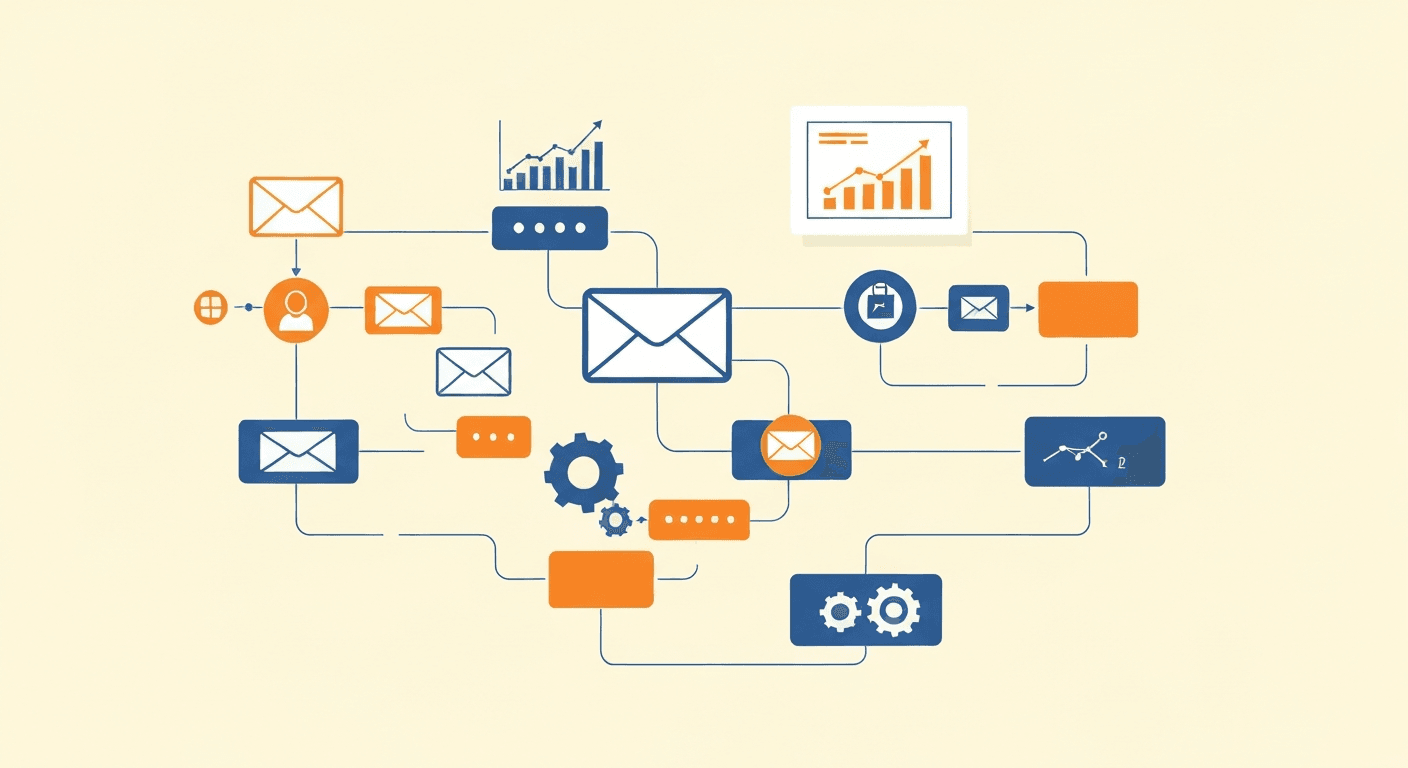
At its core, marketing automation connects your marketing channels, your customer data, and your business goals into a single system. When a visitor fills out a form on your website, for example, the automation platform can immediately send a welcome email, add the contact to a specific segment, notify your sales team, and begin a nurture sequence, all without anyone lifting a finger.
The concept is not limited to email. Modern marketing automation encompasses email marketing, social media scheduling, lead scoring, customer segmentation, SMS campaigns, ad retargeting, analytics, and more. It is a holistic approach to managing and optimizing the entire customer journey.
How Does Marketing Automation Work?
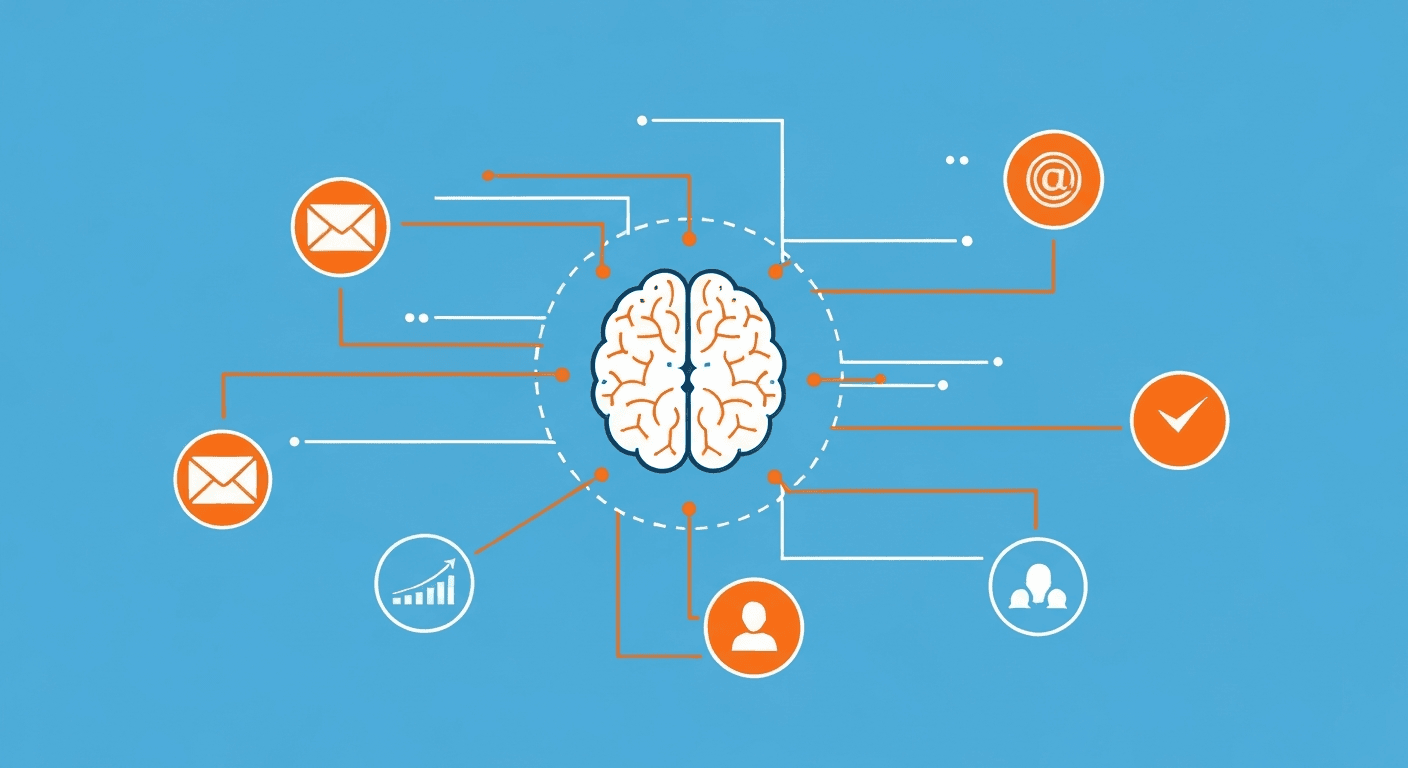
Marketing automation platforms work by combining three fundamental components: data collection, decision logic, and action execution.
Data Collection
Every interaction a prospect or customer has with your brand generates data. Marketing automation tools collect this data from multiple touchpoints, including your website, email campaigns, social media profiles, landing pages, and CRM. This data forms a detailed picture of each contact's behavior, preferences, and position in the buying journey.
Decision Logic
Once data is collected, the platform uses rules, conditions, and triggers to decide what happens next. For example, you might set a rule that says: "If a contact opens three emails in a row but has not made a purchase, send them a special discount offer." These rules can be simple if-then statements or complex branching workflows with multiple conditions.
Action Execution
When the conditions are met, the platform automatically executes the defined action. This might be sending an email, updating a contact record, assigning a lead score, adding someone to a new audience segment, or triggering an internal notification to your sales team.
Together, these three components create a system that operates around the clock, responding to customer behavior in real time without requiring manual intervention.
What Are the Key Benefits of Marketing Automation?
Businesses that implement marketing automation consistently report significant improvements across several critical areas. Here are the most impactful benefits.
Increased Efficiency and Time Savings
The most immediate benefit is time savings. Tasks that previously required hours of manual work, such as sending follow-up emails, segmenting lists, or posting on social media, can be automated completely. This frees your team to focus on high-value activities like campaign strategy and creative development.
Better Lead Nurturing and Conversion Rates
Not every lead is ready to buy when they first interact with your brand. Marketing automation allows you to build nurture sequences that guide prospects through the buying journey at their own pace. By delivering the right content at the right time, you keep your brand top of mind and gradually build the trust needed to convert leads into customers.
Improved Personalization at Scale
Personalization is no longer optional. Consumers expect brands to understand their needs and deliver relevant experiences. Marketing automation makes it possible to personalize emails, website content, product recommendations, and ad targeting for thousands or even millions of contacts simultaneously. This level of personalization would be impossible to achieve manually.
Consistent Multi-Channel Engagement
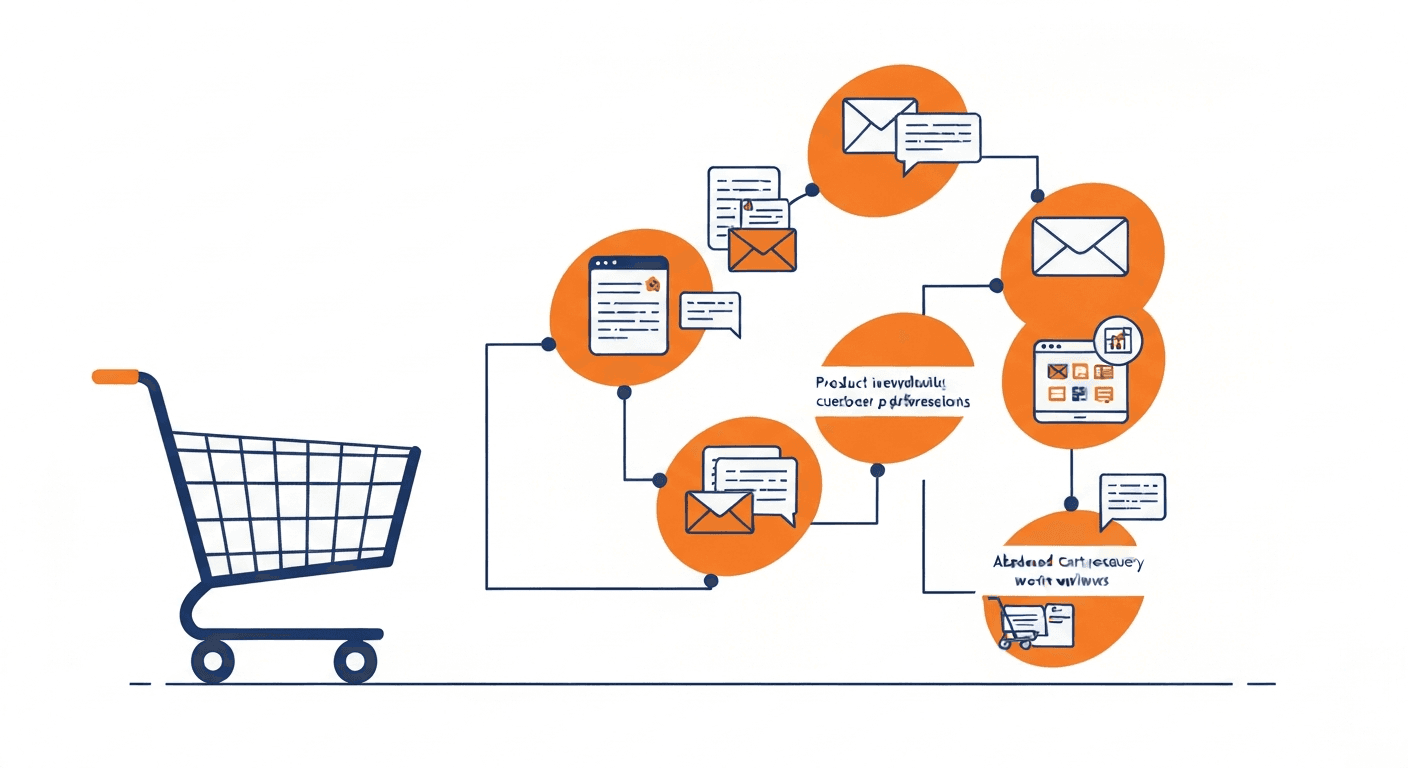
Your customers are active across multiple channels, including email, social media, your website, and more. Marketing automation ensures that your messaging is consistent and coordinated across all of these touchpoints. A prospect who abandons a shopping cart might receive an email reminder, see a retargeting ad on social media, and get a push notification, all triggered automatically by a single event.
Data-Driven Decision Making
Marketing automation platforms provide detailed analytics and reporting that give you clear visibility into what is working and what is not. You can track open rates, click-through rates, conversion rates, revenue attribution, and dozens of other metrics. This data empowers you to make informed decisions and continuously optimize your campaigns.
What Are the Essential Features of Marketing Automation?
When evaluating marketing automation platforms, there are several core features you should look for.
- Email Marketing Automation: The ability to create automated email sequences triggered by specific actions or time-based rules.
- Lead Scoring: A system that assigns numerical values to leads based on their behavior and demographics, helping your sales team prioritize the most promising prospects.
- Contact Segmentation: Tools that automatically group contacts based on shared characteristics, behaviors, or engagement levels.
- Landing Page and Form Builders: Built-in tools for creating landing pages and forms that capture lead information and feed it directly into your automation workflows.
- CRM Integration: Seamless connection with your customer relationship management system so that marketing and sales data stay synchronized.
- Analytics and Reporting: Comprehensive dashboards and reports that track campaign performance, ROI, and customer journey metrics.
- A/B Testing: The ability to test different versions of emails, landing pages, and other assets to determine what resonates best with your audience.
- Multi-Channel Support: Automation capabilities that extend beyond email to include social media, SMS, push notifications, and advertising platforms.
Who Should Use Marketing Automation?
Marketing automation is not exclusively for large enterprises with massive budgets. Businesses of virtually every size and industry can benefit from it.
Small Businesses
Small businesses often have limited marketing resources. Automation allows a small team, or even a single marketer, to execute sophisticated campaigns that would otherwise require a much larger staff. Our practical guide to marketing automation for small business walks through exactly which workflows to build first and what to budget.
Mid-Sized Companies
Mid-sized companies typically have growing customer bases and increasingly complex marketing needs. Marketing automation helps these businesses scale their efforts without proportionally scaling their teams. Features like lead scoring and advanced segmentation become especially valuable at this stage.
Enterprise Organizations
Large enterprises use marketing automation to manage campaigns across multiple brands, regions, and channels. At this scale, the platform's ability to handle large data volumes, complex workflows, and deep integrations with other enterprise systems is critical.
How Do You Get Started with Marketing Automation?
Getting started does not have to be complicated. Follow these steps to lay a solid foundation.
- Define your goals. Be specific about what you want to achieve, whether it is increasing email engagement, generating more qualified leads, or improving customer retention.
- Audit your current processes. Identify the manual, repetitive tasks that consume the most time and would benefit most from automation.
- Choose the right platform. Evaluate tools based on your business size, budget, required features, and integration needs.
- Start small. Begin with one or two simple automations, such as a welcome email series or a lead capture workflow. Prove the value before expanding.
- Measure and optimize. Use the analytics provided by your platform to track performance, identify areas for improvement, and refine your workflows over time.
Is Marketing Automation Worth the Investment?
The data speaks clearly. According to industry research, companies that use marketing automation see an average increase of 451% in qualified leads. Automated email campaigns generate significantly higher open and click-through rates compared to one-off manual sends. And businesses that align their marketing automation with their sales process report shorter sales cycles and higher close rates.
The return on investment extends beyond revenue as well. The time your team saves can be redirected toward strategic initiatives, creative projects, and relationship building, activities that drive long-term growth but often get pushed aside when teams are buried in manual tasks.
Marketing automation is not a magic bullet. It requires thoughtful setup, quality content, and ongoing optimization — and avoiding the common automation mistakes that derail most first-time rollouts. For businesses willing to invest the effort, it is one of the most powerful tools available for scaling growth efficiently and sustainably.
Whether you are just starting to explore the concept or ready to implement your first workflows, understanding the fundamentals covered in this guide puts you on the right path. The businesses that thrive in the coming years will be the ones that leverage automation to work smarter, deliver better customer experiences, and make data-driven decisions at every stage of the marketing funnel.
Frequently asked questions
Harry Harrison
Founder & Editor, Easy Automation
Tech-forward B2B writer and content strategist focused on marketing and finance automation.