The Complete Guide to E-Commerce Marketing Automation
Master e-commerce marketing automation with strategies for cart abandonment, product recommendations, retention campaigns, and revenue optimization.
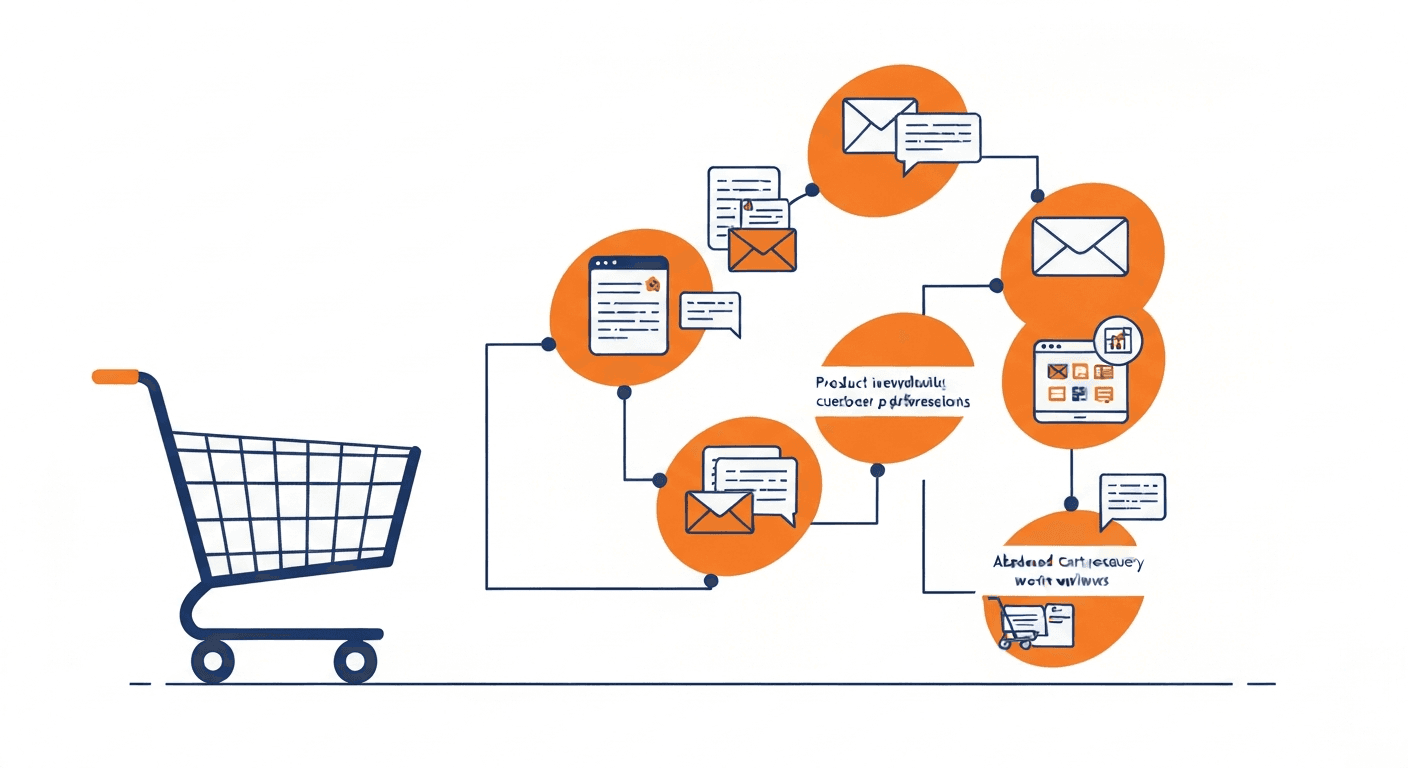
Running an e-commerce business means managing thousands of customer interactions every day. Shoppers browse your products, add items to their carts, complete purchases, leave reviews, and sometimes disappear without a trace. Handling all of these touchpoints manually is impossible at scale. That is where e-commerce marketing automation becomes essential. It allows you to deliver personalized, timely, and relevant experiences to every customer automatically, turning casual browsers into loyal repeat buyers.
This guide covers the most impactful automation strategies for online retailers, from pre-purchase engagement to post-sale retention, along with practical implementation advice you can put to work immediately.
What Is E-Commerce Marketing Automation?
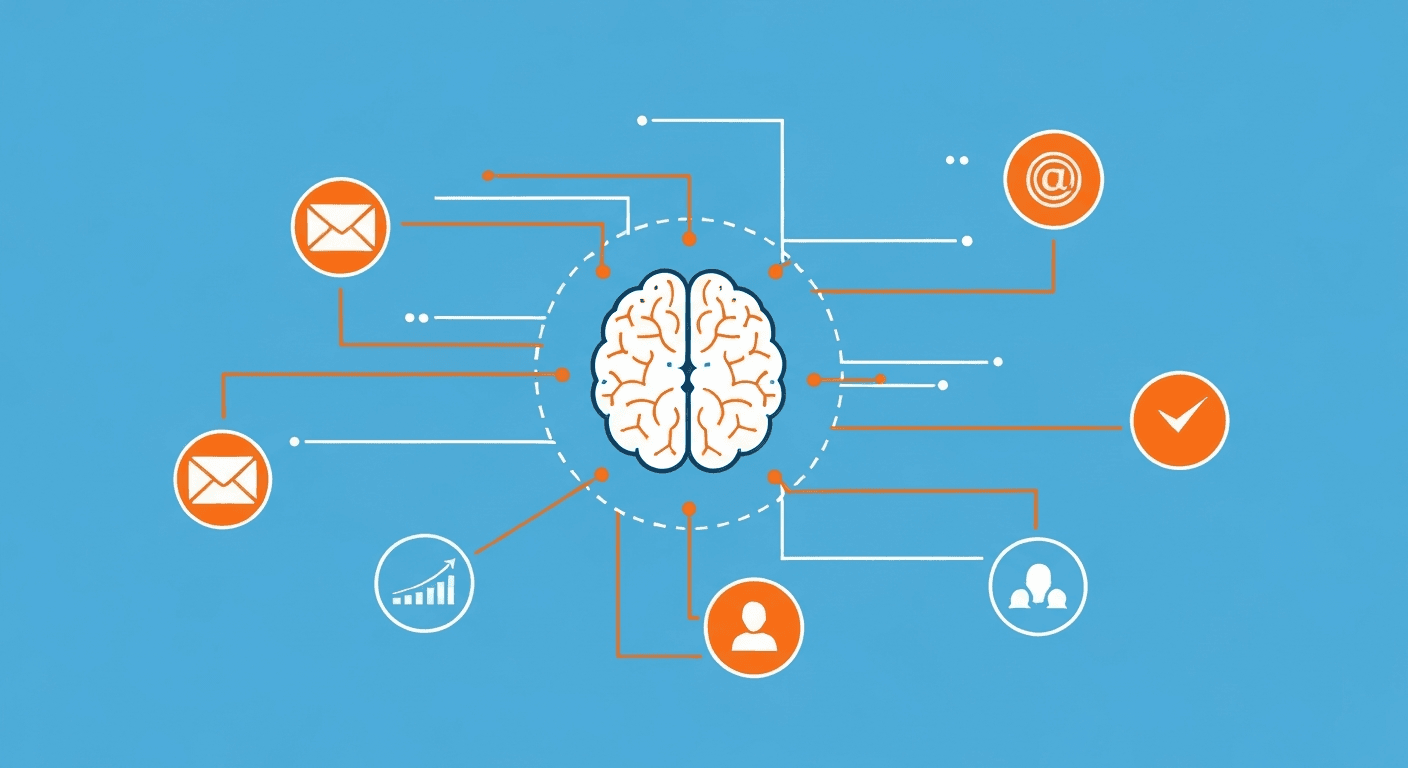
E-commerce marketing automation is the use of software to automate repetitive marketing tasks specific to online retail. This includes triggered email sequences, personalized product recommendations, dynamic audience segmentation, loyalty program management, review solicitation, and multi-channel campaign orchestration, all running without manual intervention.
While the core principles overlap with general marketing automation, e-commerce automation has unique characteristics. It is deeply connected to product catalogs, shopping behavior, purchase history, and inventory data. The triggers are often transactional, fired by events like adding to cart, completing a purchase, or browsing a specific product category. And the primary goal is almost always direct revenue generation, whether through new customer acquisition, average order value increase, or repeat purchase frequency.
Why Is Marketing Automation Critical for E-Commerce Success?
The e-commerce landscape is intensely competitive. Customer acquisition costs continue to rise, attention spans keep shrinking, and shoppers have more options than ever before. Automation provides several critical advantages that are difficult to achieve through manual marketing alone.
- Revenue recovery. Automated cart abandonment and browse abandonment campaigns recover sales that would otherwise be permanently lost.
- Scalable personalization. Every shopper receives product recommendations, content, and offers tailored to their specific behavior and preferences.
- Customer lifetime value growth. Automated post-purchase sequences, loyalty programs, and win-back campaigns maximize the revenue generated from every acquired customer.
- Operational efficiency. Tasks that previously required hours of manual work, such as segmenting audiences, sending follow-up emails, and updating customer profiles, happen automatically.
- Consistent experience. Every customer receives a high-quality, well-timed experience regardless of when or how they interact with your store.
How Do You Set Up Cart Abandonment Automation?
Cart abandonment is the single largest source of lost revenue for most e-commerce businesses. Average cart abandonment rates hover around 70 percent across industries, which means seven out of every ten shoppers who add items to their cart leave without buying. An automated cart abandonment sequence is one of the highest-ROI automations you can build.
The Optimal Cart Abandonment Sequence
A proven three-email cart abandonment sequence looks like this:
- Email 1 (1 to 2 hours after abandonment): A simple, helpful reminder that items are waiting in the cart. Include product images, names, and prices. Keep the tone friendly, not pushy. Subject line example: "You left something behind."
- Email 2 (24 hours after abandonment): Reinforce value by including customer reviews, star ratings, or social proof for the abandoned products. Address common objections like shipping costs or return policies. Subject line example: "Still thinking it over? Here is what others say."
- Email 3 (48 to 72 hours after abandonment): Create urgency with a limited-time incentive, such as a small discount, free shipping, or a bonus gift with purchase. Make this the final nudge. Subject line example: "Your cart is expiring soon, here is 10% off to help."
Cart Abandonment Best Practices
- Include clear product images and details. Remind shoppers exactly what they left behind with visual specifics.
- Make the return path frictionless. Include a direct link back to the populated cart, not just the homepage.
- Test incentive timing. Some audiences respond best to an incentive in the first email. Others convert without one, making the discount in the third email an efficient use of margin.
- Set exit conditions. If the customer completes the purchase after Email 1, immediately remove them from the sequence so they do not receive irrelevant follow-ups.
- Segment by cart value. High-value carts may warrant more aggressive recovery efforts, including personal outreach from a sales representative.
How Do You Automate Browse Abandonment Campaigns?
Browse abandonment targets shoppers who viewed products but did not add anything to their cart. These prospects showed interest but did not commit. Automated browse abandonment campaigns gently re-engage them with personalized reminders.
Effective Browse Abandonment Tactics
- Send a single email within 24 hours featuring the products the shopper viewed, along with related recommendations.
- Use dynamic content blocks that automatically populate with the specific product images and descriptions the shopper browsed.
- Include social proof elements like "Best Seller" badges, review counts, or low-stock alerts to create urgency.
- Keep the frequency low. One or two browse abandonment emails per shopper per week is sufficient. More than that risks feeling intrusive.
Browse abandonment sequences typically have lower conversion rates than cart abandonment because the shopper had less purchase intent. However, the volume of browse abandoners is usually much larger, so even modest conversion rates can generate substantial revenue.
How Do Product Recommendation Engines Drive Revenue?
Automated product recommendations are one of the most powerful revenue drivers in e-commerce. By analyzing purchase history, browsing behavior, and patterns across your entire customer base, recommendation engines serve personalized suggestions that increase average order value and repeat purchases.
Types of Product Recommendations
- Frequently bought together. Show products commonly purchased alongside the item a shopper is viewing. This increases cart size by surfacing relevant add-ons.
- Customers also viewed. Display products that other shoppers with similar behavior explored. This helps undecided shoppers discover alternatives.
- Personalized picks. Use individual browsing and purchase history to generate unique recommendations for each customer. These are the most relevant and highest-converting recommendation type.
- Trending products. Highlight items that are currently popular across your store. This leverages social proof and creates urgency around in-demand items.
- Recently viewed. Remind returning visitors of products they looked at during previous sessions. This reduces the friction of finding something they were interested in before.
Where to Deploy Recommendations
Product recommendations should be embedded across multiple touchpoints:
- Product detail pages (cross-sell and upsell suggestions)
- Cart and checkout pages (last-minute add-on recommendations)
- Homepage (personalized picks for returning visitors)
- Email campaigns (dynamic recommendation blocks in newsletters and drip sequences)
- Post-purchase emails (complementary product suggestions based on what was just ordered)
How Do You Automate the Post-Purchase Experience?
The sale is not the end of the customer journey. It is the beginning of the retention journey. Automated post-purchase sequences maximize the lifetime value of every customer.
Order Confirmation and Shipping Updates
These transactional emails have the highest open rates of any email type. Use them as an opportunity to reinforce the purchase decision, set expectations for delivery, and subtly introduce complementary products or loyalty program benefits.
Product Education and Onboarding
For products that require setup or have a learning curve, send automated tips, tutorials, and usage guides in the days following delivery. This reduces buyer's remorse, decreases return rates, and increases product satisfaction.
Review and User-Generated Content Requests
Timing is everything with review requests. Send an automated email asking for a review seven to fourteen days after delivery, when the customer has had enough time to use the product but the purchase is still fresh. Include a direct link to the review form to reduce friction. User-generated content like reviews, photos, and testimonials are powerful social proof that drives future conversions.
Cross-Sell and Upsell Campaigns
Based on purchase history, send automated recommendations for complementary or upgraded products. A customer who bought a camera might receive suggestions for lenses, tripods, and carrying cases. A customer who bought a basic subscription might receive a targeted campaign highlighting premium features.
Replenishment Reminders
For consumable products, automate replenishment reminders timed to when the customer is likely running low. If a customer bought a 30-day supply of vitamins, send a reminder on day 25 with a convenient reorder link. This is one of the simplest and most effective retention automations.
How Do You Build Automated Customer Loyalty Programs?
Loyalty programs incentivize repeat purchases and increase customer lifetime value. Automation makes them scalable and consistent.
Points-Based Loyalty Automation
Automatically award points for purchases, reviews, referrals, social media shares, and other valuable actions. Send automated notifications when customers earn points, approach reward thresholds, or have unused points expiring. These nudges keep customers engaged with the program and motivate additional purchases.
Tiered Loyalty Programs
Create tiers based on cumulative spending or engagement. When a customer crosses a tier threshold, automatically upgrade their status, unlock new benefits, and send a congratulatory email that celebrates their achievement and highlights their new perks. The aspiration to reach the next tier is a powerful motivator for incremental spending.
VIP Customer Automation
Identify your highest-value customers using lead scoring principles adapted for e-commerce, then trigger exclusive automations. Early access to new products, private sales, personalized thank-you messages, and surprise gifts create emotional connections that generic loyalty points cannot match.
How Do You Automate Win-Back Campaigns for Lapsed Customers?
Acquiring a new customer costs five to seven times more than retaining an existing one. Win-back campaigns target customers who have not purchased in a defined period and attempt to re-engage them before they are lost permanently.
Win-Back Sequence Structure
- Email 1 (60 to 90 days after last purchase): A friendly "We miss you" message that highlights what is new since their last visit. Include new product launches, bestsellers, or content they might find valuable.
- Email 2 (7 days after Email 1): Offer a personalized incentive based on their past purchase behavior. A discount on the category they previously bought from is more effective than a generic store-wide offer.
- Email 3 (14 days after Email 2): A final attempt with a stronger incentive and a clear message that this is the last outreach. Some brands include an option to update email preferences or unsubscribe, which helps clean your list of truly disengaged contacts.
Win-Back Best Practices
- Segment by customer value. High-LTV lapsed customers deserve more aggressive recovery efforts and better incentives than one-time buyers.
- Personalize based on history. Reference specific products they bought or categories they browsed. Generic win-back emails feel like spam.
- Test the timing trigger. The optimal "lapsed" definition varies by business. A fashion retailer might consider 90 days without a purchase as lapsed, while a furniture retailer might use 12 months.
- Respect the outcome. If a customer does not re-engage after your win-back sequence, move them to a suppressed segment rather than continuing to email them. Protecting your sender reputation is more important than chasing every inactive contact.
How Do You Use Segmentation to Power E-Commerce Automation?
Effective segmentation is the foundation of every e-commerce automation strategy. The more precisely you can define audience groups, the more relevant and effective your automated campaigns will be.
Essential E-Commerce Segments
- New subscribers (signed up but have not purchased)
- First-time buyers (completed one purchase)
- Repeat customers (two or more purchases)
- High-value customers (top 10 to 20 percent by lifetime spend)
- At-risk customers (purchase frequency declining)
- Lapsed customers (no purchase within defined window)
- Cart abandoners (active carts without completion)
- Category enthusiasts (strong affinity for specific product categories)
- Discount-driven shoppers (primarily purchase during promotions)
- Full-price buyers (rarely use discounts, high margin customers)
Each of these segments should receive different automated communication tailored to their behavior, value, and relationship with your brand.
What Tools Do You Need for E-Commerce Marketing Automation?
Building a robust e-commerce automation stack requires several interconnected tools.
- Email marketing platform with e-commerce triggers, dynamic content, and product feed integration. Our guide to email marketing automation tools covers the top options.
- Customer data platform that unifies purchase history, browsing behavior, email engagement, and support interactions into a single customer profile.
- Product recommendation engine that analyzes behavioral patterns and serves personalized suggestions across channels.
- Analytics and attribution tools that connect marketing activity to revenue and help you measure automation ROI.
- CRM integration that ensures your marketing and sales data stay synchronized.
The best e-commerce automation setups have these tools working together seamlessly, sharing data bidirectionally and triggering actions across platforms based on unified customer profiles.
How Do You Measure E-Commerce Automation Performance?
Track these key metrics to evaluate the effectiveness of your e-commerce automation programs.
- Revenue per automated email. The average revenue generated by each automated email sent. This is your most direct measure of automation value.
- Cart abandonment recovery rate. The percentage of abandoned carts recovered through your automated sequence.
- Customer lifetime value by segment. Track how automation impacts LTV for different customer groups over time.
- Repeat purchase rate. The percentage of customers who make a second purchase, which post-purchase automation should directly improve.
- Average order value. Measure whether recommendation engines and cross-sell automations are increasing basket size.
- Email engagement rates. Open rates, click-through rates, and unsubscribe rates for each automated sequence.
- Time between purchases. Whether automated replenishment and re-engagement campaigns are shortening the interval between orders.
Final Thoughts on E-Commerce Marketing Automation
E-commerce marketing automation is not a luxury. It is the infrastructure that separates growing online retailers from those struggling to keep up. The strategies covered in this guide, from cart abandonment recovery and browse abandonment campaigns to product recommendations, post-purchase sequences, loyalty programs, and win-back flows, represent the highest-impact automations available to online businesses.
Start with the automations that have the most immediate revenue impact. Cart abandonment and post-purchase sequences should be your first priorities. Then expand into browse abandonment, recommendation engines, and loyalty automation as your foundation strengthens. Every automation you build compounds over time, generating incremental revenue with every customer interaction.
If you are new to marketing automation in general, start with our beginner's guide to understand the foundational concepts before diving into e-commerce-specific strategies.
Harry Harrison
Founder & Editor, Easy Automation
Tech-forward B2B writer and content strategist focused on marketing and finance automation.