AI-Powered Marketing Automation: How Artificial Intelligence Is Transforming Marketing in 2025
Discover how AI is revolutionizing marketing automation with predictive analytics, hyper-personalization, and intelligent campaign optimization in 2025.
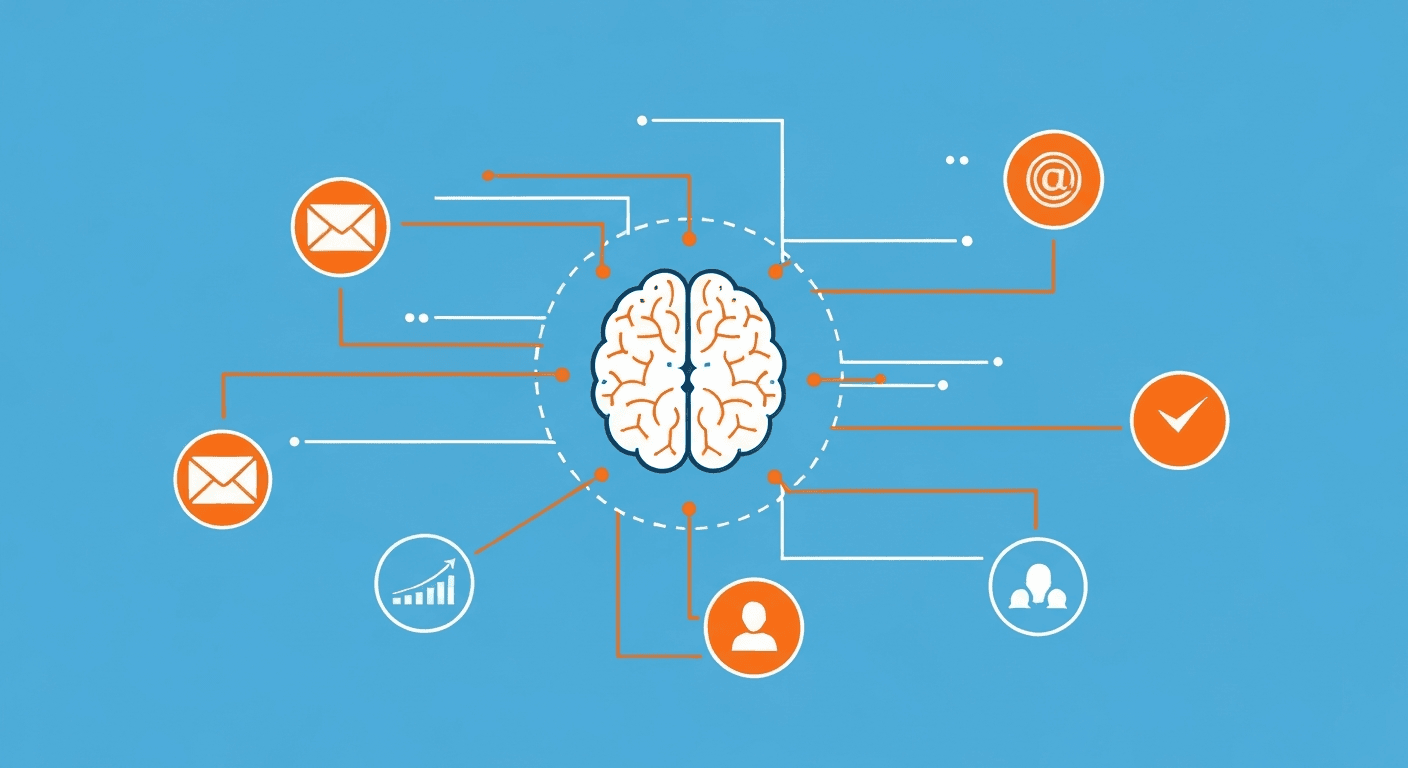
Marketing automation has always been about doing more with less. But traditional automation is rule-based. You define the triggers, set the conditions, and the system executes exactly what you tell it to. It does not learn, adapt, or improve on its own. Artificial intelligence changes that equation entirely. AI-powered marketing automation does not just follow rules. It identifies patterns, predicts outcomes, generates content, and optimizes campaigns in ways that would be impossible for human marketers working manually.
In 2025, the line between automation and intelligence is disappearing. This guide explores how AI is transforming every layer of marketing automation and what you need to do to take advantage of it.
What Is AI-Powered Marketing Automation?
AI-powered marketing automation combines traditional workflow automation with machine learning, natural language processing, predictive analytics, and generative AI to create marketing systems that think, learn, and adapt over time. While conventional automation executes predefined rules, AI-powered systems analyze data continuously and make decisions based on patterns that humans might never spot.
For example, a traditional automation rule might say: "If a contact opens three emails in seven days, move them to the high-interest segment." An AI-powered system goes further. It analyzes thousands of behavioral signals across your entire database, identifies which combination of actions most reliably predicts purchase intent for each individual, and automatically adjusts segmentation, messaging, and timing to maximize the probability of conversion.
The distinction matters because AI does not just automate tasks. It automates decisions.
How Is AI Changing Email Marketing Automation?
Email remains the backbone of most marketing automation programs, and AI is making it dramatically more effective across every dimension.
Predictive Send-Time Optimization
Traditional email marketing requires you to guess the best time to send. You might run a few A/B tests and settle on Tuesday mornings for your newsletter. AI-powered send-time optimization analyzes each individual contact's historical engagement patterns and delivers emails at the exact moment they are most likely to open and click. Instead of one optimal send time for your entire list, you get thousands of personalized delivery windows.
Dynamic Content Generation
AI can now generate subject lines, preview text, body copy, and calls to action tailored to each recipient. This goes beyond simple merge tags that insert a first name. Generative AI models analyze a contact's past interactions, purchase history, and browsing behavior to craft messaging that resonates with their specific interests and stage in the buying journey.
Intelligent List Segmentation
Machine learning algorithms can identify natural clusters within your contact database that human marketers would never think to create. Instead of segmenting by basic demographics or a handful of behavioral criteria, AI analyzes hundreds of variables simultaneously to discover micro-segments with distinct needs and response patterns. These granular segments enable hyper-relevant messaging that drives significantly higher engagement rates.
Automated A/B/n Testing at Scale
Traditional A/B testing is limited by the number of variants you can create and the time required to reach statistical significance. AI-powered testing tools can generate and evaluate dozens or even hundreds of variants simultaneously, automatically allocating traffic to top performers and retiring underperformers in real time. This means your campaigns are continuously optimized without manual intervention.
How Does AI Improve Lead Scoring and Qualification?
Lead scoring has always been central to marketing automation, but traditional scoring models have significant limitations. They rely on manually assigned point values and static rules that require constant tuning. AI-powered scoring takes a fundamentally different approach.
Predictive Lead Scoring
Predictive lead scoring uses machine learning to analyze your historical conversion data and identify the attributes and behaviors that most strongly correlate with becoming a customer. Instead of a marketing manager deciding that visiting the pricing page is worth 20 points and downloading a whitepaper is worth 10, the AI model discovers the actual predictive weight of every signal based on real outcomes.
These models continuously retrain themselves as new data comes in, automatically adjusting to changes in buyer behavior, market conditions, and product offerings. The result is a scoring system that gets more accurate over time without requiring manual recalibration.
Intent Signal Detection
AI can detect subtle buying intent signals that rule-based systems miss entirely. A prospect who visits your website four times in a week, reads competitor comparison pages, and searches for integration-related terms is exhibiting a pattern that suggests they are actively evaluating solutions. AI models recognize these multi-signal patterns and flag high-intent prospects for immediate sales outreach.
Churn Prediction
On the retention side, AI models can identify customers who are likely to churn before they actually leave. By analyzing engagement frequency, support ticket patterns, usage metrics, and other behavioral data, predictive models flag at-risk accounts so you can trigger automated re-engagement campaigns before it is too late.
What Role Does AI Play in Content Personalization?
Personalization has moved from a nice-to-have to a baseline expectation. Consumers reward brands that understand them and ignore those that send generic messages. AI makes true one-to-one personalization possible at scale.
Dynamic Website Personalization
AI-powered tools can modify your website content in real time based on who is visiting. A first-time visitor from the healthcare industry sees different hero messaging, case studies, and calls to action than a returning visitor from the technology sector. This kind of dynamic content personalization increases engagement, reduces bounce rates, and drives more conversions.
Product Recommendations
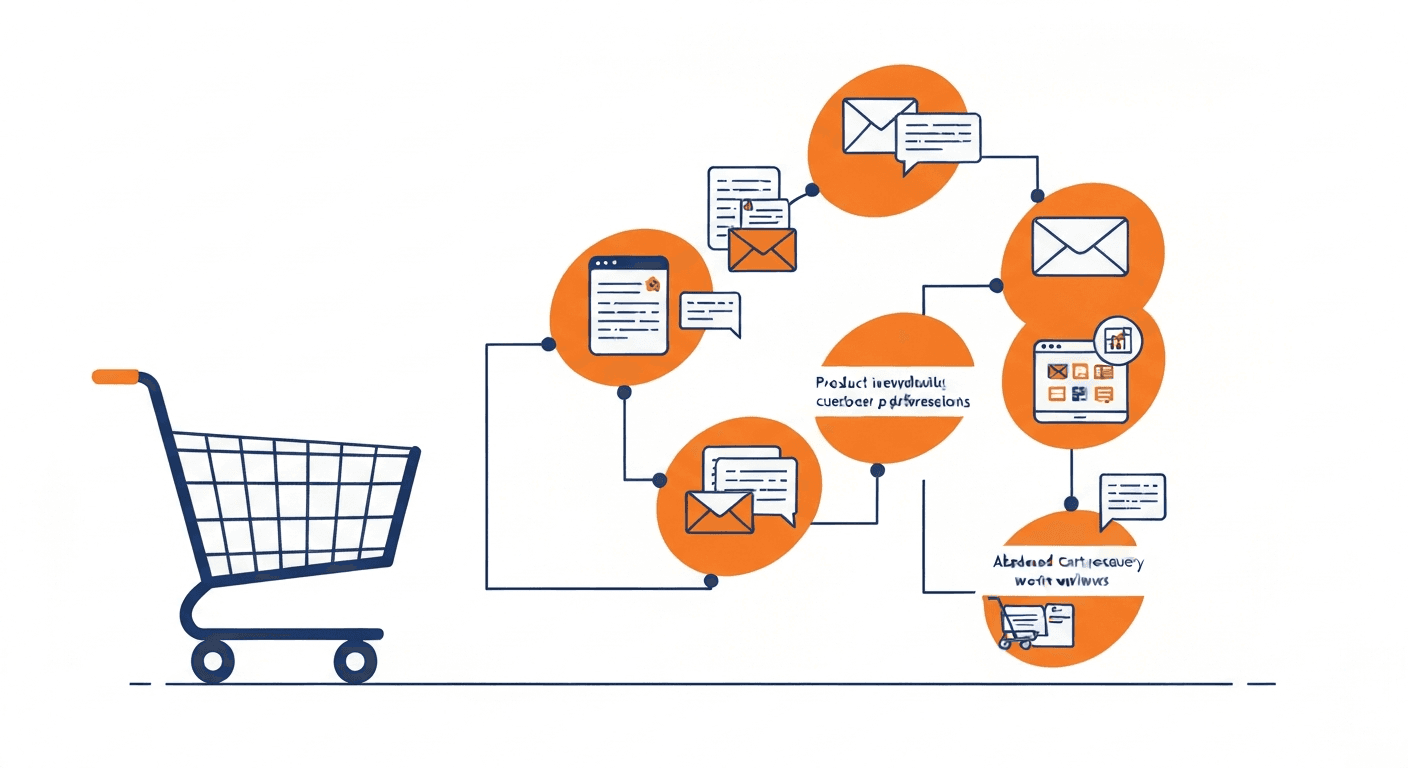
E-commerce businesses have used recommendation engines for years, but AI has made them exponentially more sophisticated. Modern recommendation algorithms consider not just what a customer has purchased but what similar customers have bought, what products are trending, what items are frequently purchased together, seasonal patterns, and even external factors like weather or economic conditions. For a deeper look at e-commerce applications, see our guide on e-commerce marketing automation.
Content Mapping to Buyer Journey Stages
AI can analyze a prospect's behavior and automatically determine where they sit in the buying journey, then serve the most appropriate content for that stage. Someone in the awareness stage receives educational blog posts and industry reports. Someone in the consideration stage gets product comparisons and case studies. Someone in the decision stage sees pricing information, testimonials, and demo offers. All of this happens automatically, without a human having to manually assess each contact's journey position.
How Is AI Transforming Social Media Automation?
Social media automation has traditionally focused on scheduling posts and monitoring mentions. AI adds layers of intelligence that make social media a far more powerful marketing channel.
Predictive Content Performance
AI models can predict how well a piece of social content will perform before you publish it. By analyzing historical performance data, audience engagement patterns, trending topics, and content characteristics, these tools estimate reach, engagement, and conversion potential. This allows you to prioritize high-performing content and rework weak posts before they go live.
Automated Audience Analysis
AI-powered social listening tools go beyond keyword monitoring. They analyze sentiment, emotion, intent, and emerging themes across millions of social conversations. This gives marketers a real-time understanding of how their brand is perceived, what topics their audience cares about, and where competitive opportunities exist.
Conversational AI and Chatbots
AI-powered chatbots on social media and websites can handle initial prospect conversations, qualify leads, answer frequently asked questions, and route complex inquiries to human agents. Modern conversational AI has become sophisticated enough to handle nuanced questions and maintain context across multi-turn conversations, making them an effective first point of contact for many customer interactions.
What Are the Benefits of AI-Powered Marketing Automation?
Organizations that integrate AI into their marketing automation stack see measurable improvements across several key areas.
- Higher conversion rates. AI-optimized campaigns deliver more relevant messages to more receptive audiences at better times, driving significant improvements in conversion rates across the funnel.
- Lower customer acquisition costs. Better targeting and smarter spend allocation mean you waste less budget on low-probability prospects.
- Faster speed to insight. AI processes data in real time, surfacing actionable insights that would take a human analyst days or weeks to uncover.
- Scalable personalization. AI makes it possible to deliver genuinely personalized experiences to every contact in your database, regardless of list size.
- Continuous improvement. Unlike static rule-based systems, AI models learn and improve with every interaction, meaning your marketing performance compounds over time.
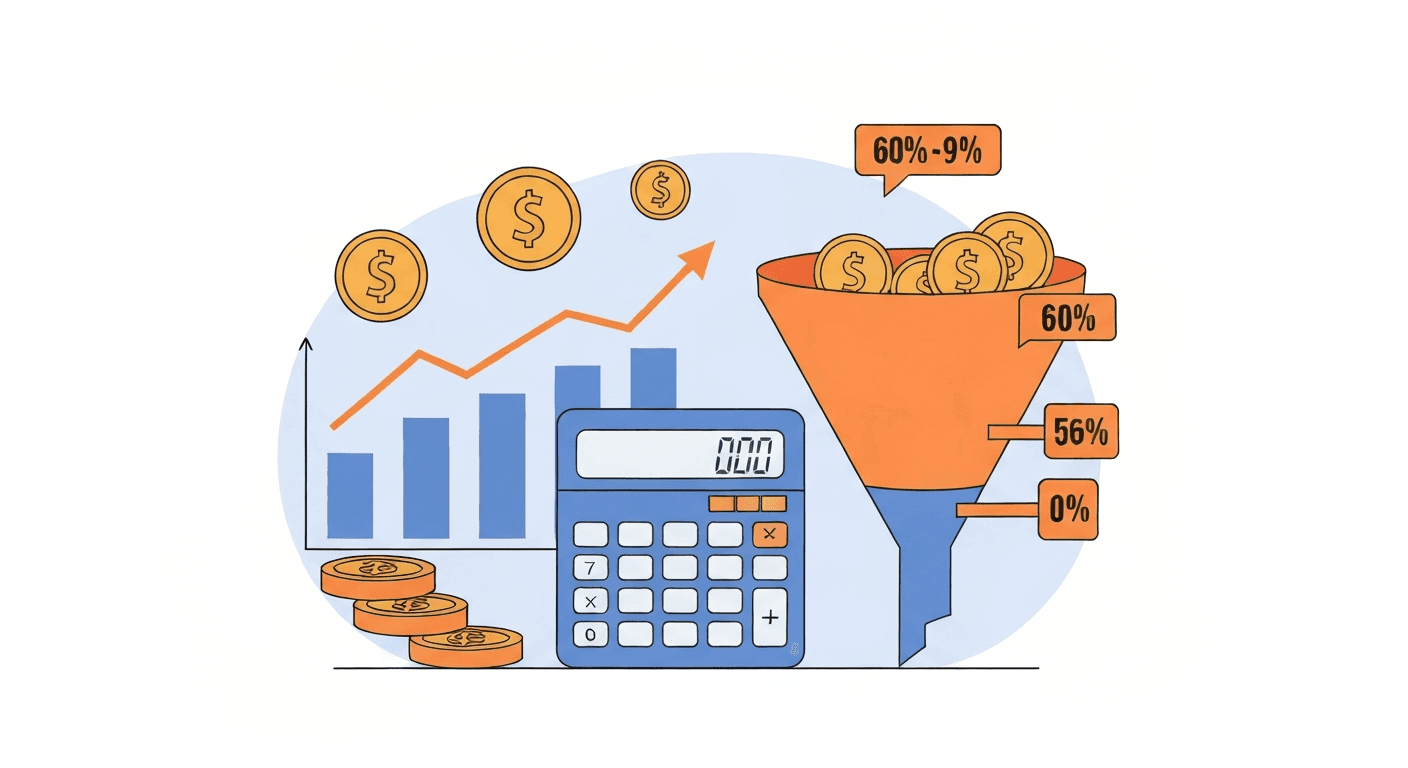
- Better ROI. The combination of higher revenue and lower costs translates directly into stronger return on your automation investment.
How Do You Get Started with AI-Powered Marketing Automation?
Adopting AI does not require ripping out your existing systems and starting from scratch. Here is a practical roadmap for integrating AI into your current marketing automation stack.
Step 1: Audit Your Data Foundation
AI is only as good as the data it learns from. Before implementing any AI tools, audit the quality, completeness, and accuracy of your marketing data. Clean up duplicates, fill in missing fields, standardize formats, and ensure your CRM integration is syncing data reliably. Poor data quality is the single most common reason AI marketing initiatives fail.
Step 2: Identify High-Impact Use Cases
Do not try to apply AI everywhere at once. Start with the use cases that offer the highest potential impact relative to implementation effort. For most organizations, the best starting points are:
- Predictive lead scoring to improve sales efficiency and conversion rates.
- Send-time optimization to boost email engagement with minimal configuration.
- Dynamic content personalization to increase relevance and reduce unsubscribes.
- Automated A/B testing to accelerate campaign optimization.
Step 3: Choose the Right Tools
Many leading marketing automation platforms now include built-in AI capabilities. HubSpot offers predictive lead scoring and content assistant features. Salesforce Marketing Cloud integrates Einstein AI for predictive analytics and recommendations. ActiveCampaign provides machine learning-powered send-time optimization and win probability scoring. Evaluate what your current platform offers before shopping for standalone AI tools.
Step 4: Start Small and Measure Rigorously
Deploy AI in a controlled environment first. Run a predictive scoring model alongside your existing manual model and compare accuracy. Test AI-generated subject lines against your best human-written ones. Measure everything and let the data guide your expansion. This approach builds internal confidence and helps you identify any data or integration issues early.
Step 5: Build Internal Capabilities
AI-powered marketing requires a different skill set than traditional automation. Invest in training your team on data analysis, AI concepts, and the specific AI features of your chosen tools. You do not need a team of data scientists, but your marketers should understand how AI models work at a conceptual level so they can interpret results, identify problems, and make informed decisions about optimization.
What Ethical Considerations Should You Keep in Mind?
AI introduces powerful capabilities, but it also raises important ethical questions that responsible marketers need to address.
Data Privacy and Consent
AI models require large amounts of personal data to function effectively. Ensure that your data collection practices comply with privacy regulations like GDPR and CCPA. Be transparent with customers about how their data is used, provide easy opt-out mechanisms, and never use AI to exploit private information in ways that customers would find intrusive or creepy.
Algorithmic Bias
AI models can inherit and amplify biases present in their training data. If your historical data reflects biased patterns, your AI system may perpetuate those biases in its targeting and personalization decisions. Regularly audit your AI models for bias, test outcomes across different demographic groups, and implement safeguards to prevent discriminatory targeting.
Transparency and Authenticity
When using AI to generate customer-facing content, be thoughtful about transparency. Customers increasingly want to know when they are interacting with AI versus a human. While you do not need to label every AI-optimized subject line, consider disclosing AI involvement in conversational interactions like chatbots and be honest about the role of automation in your customer communications.
What Does the Future of AI Marketing Automation Look Like?
The AI marketing landscape is evolving rapidly, and several trends are poised to reshape the industry over the next few years.
- Autonomous campaign management. AI systems will move from recommending optimizations to implementing them autonomously, creating and adjusting campaigns with minimal human oversight.
- Unified customer intelligence. AI will break down data silos and create unified profiles that incorporate every customer interaction across every channel, enabling truly seamless omnichannel experiences.
- Predictive lifetime value optimization. Instead of optimizing for immediate conversions, AI will optimize for long-term customer lifetime value, making smarter decisions about which prospects to pursue and how much to invest in acquiring them.
- Voice and visual search integration. As voice assistants and visual search grow, AI-powered automation will extend into these new channels, delivering personalized experiences through conversational interfaces and image-based interactions.
Final Thoughts on AI-Powered Marketing Automation
AI is not replacing marketers. It is amplifying their capabilities and freeing them from repetitive analytical work so they can focus on strategy, creativity, and relationship building. The organizations that embrace AI-powered marketing automation today will build compounding advantages that become increasingly difficult for competitors to match.
Start with clean data, choose high-impact use cases, measure everything, and scale what works. If you are still building the foundation of your automation program, our guide to marketing automation for small businesses covers the essential building blocks you need before layering on AI capabilities.
Harry Harrison
Founder & Editor, Easy Automation
Tech-forward B2B writer and content strategist focused on marketing and finance automation.